Genre Fantasies is an ongoing blog on the cultural history of American fantasy, horror, and sf. My main focus is on fantasy fiction and my goal is to recover the “great unread” of the genre and tell a fuller history of how fantasy developed, matured, and thrived in the mass market paperback era of the 1960s–1990s.
In my essays, I try to offer a balance of literary critical insights, historical and cultural contexts, and my own personal response, while referring to the work of other scholars, critics, and fans whenever possible. My guiding principle is that every novel has something to tell us about the history of genre fiction and is worth giving our critical attention to. I welcome feedback, discussion, and your thoughts.
Most of my essays are published under the Reading… category and I also have an ongoing series of more targeted essays: Ballantine Adult Fantasy: A Reading Series. Miscellany is published as Other Essays. For a full list of everything covered here, see my Index of Essays and Reviews. I also use tags to cross-list essays by author, cover artist, publisher, imprint, narrative series, publisher series, publication year, publication decade, and genre (these tags can be found at the bottom of each essay).
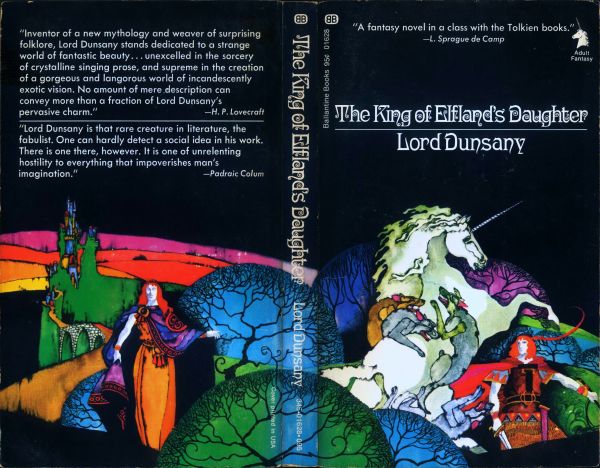
Ballantine Adult Fantasy: Reading “The King of Elfland’s Daughter” by Lord Dunsany
The thirteenth essay in my Ballantine Adult Fantasy reading series, which looks at Lord Dunsany’s The King of Elfland’s Daughter (1924), a fairy tale mixed with a heroic romance that offers a cautionary tale of what happens when you invite magic in.
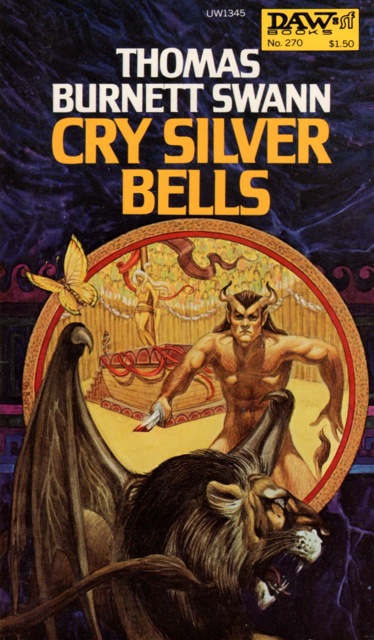
Reading “Cry Silver Bells” by Thomas Burnett Swann
Thomas Burnett Swann’s Cry Silver Bells (1977), the author’s sixteenth and final novel, returns to the Country of the Beasts on Crete and tells the tragic story of the Minotaur Silver Bells.
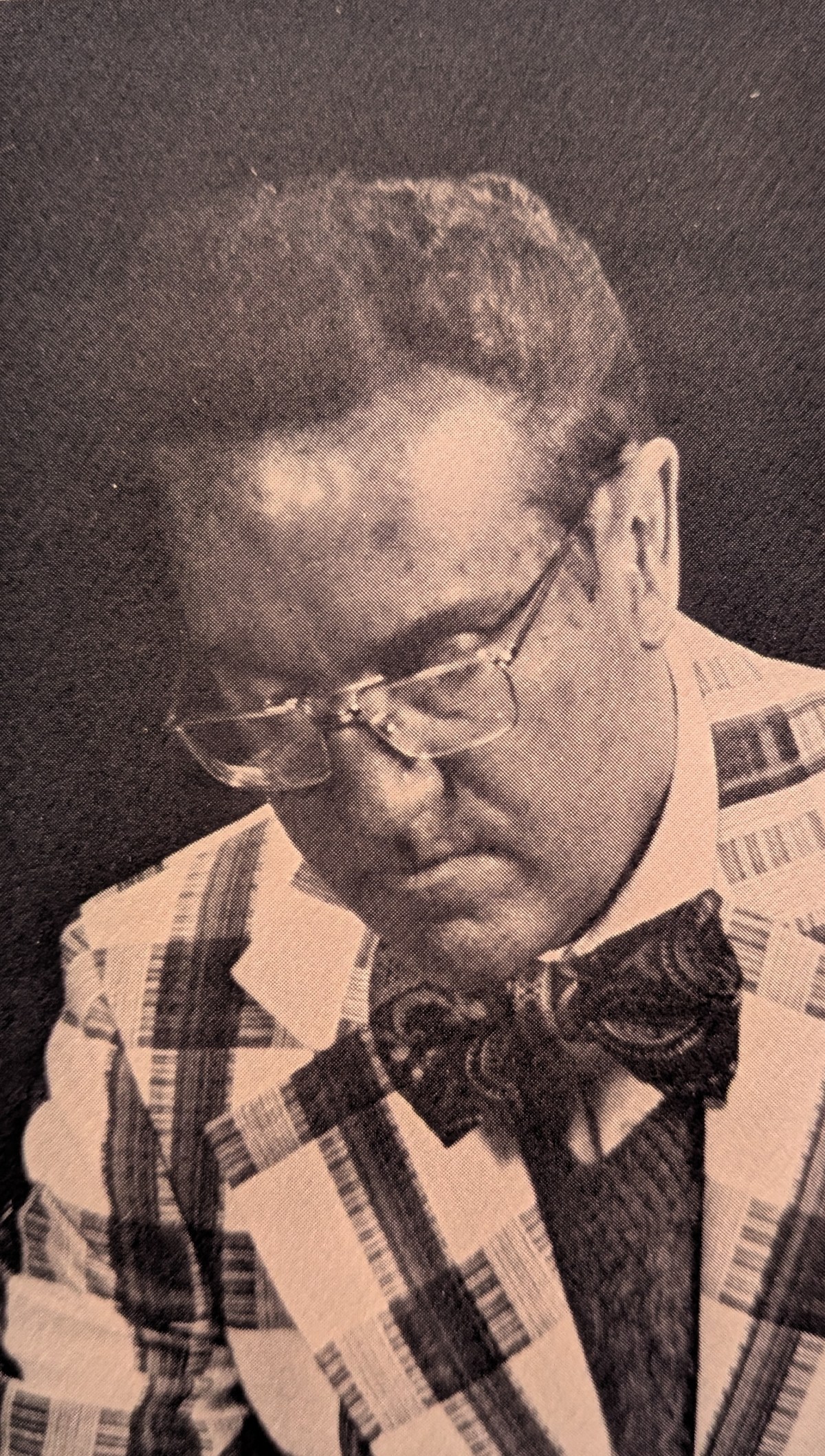
Reading “Queens Walk in the Dusk” by Thomas Burnett Swann
Thomas Burnett Swann’s Queens Walk in the Dusk (1976) is the author’s fifteenth and only hardcover novel, which retells the melancholy, tragic story of Aeneas and Dido’s ill-timed love.
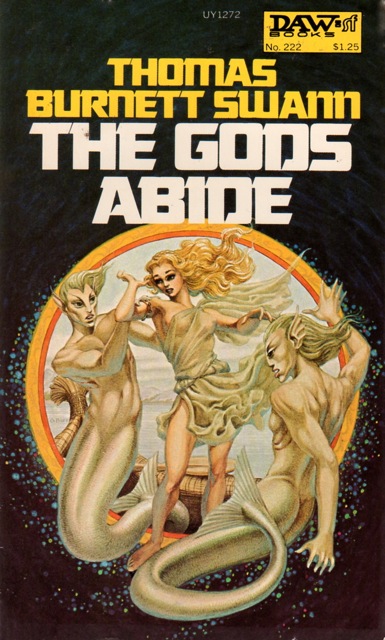
Reading “The Gods Abide” by Thomas Burnett Swann
Thomas Burnett Swann’s The Gods Abide (1976) is the author’s fourteenth novel and explores the violence of the rise of Christianity in Roman Italia and Britannia.
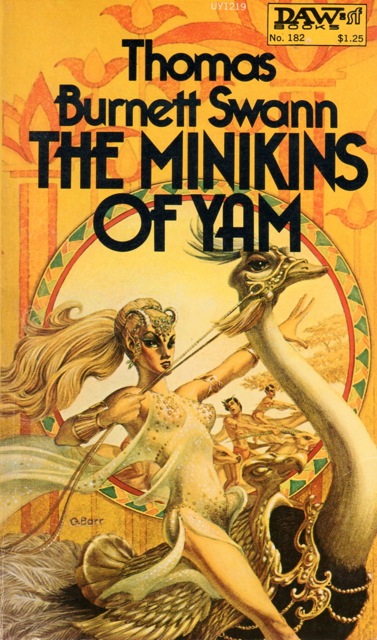
Reading “The Minikins of Yam” by Thomas Burnett Swann
Thomas Burnett Swann’s The Minkins of Yam (1976) is the author’s eleventh novel, is set four thousand years ago in pharaonic Egypt, and is one of his weaker novels charting the “secret history” of the prehumans.
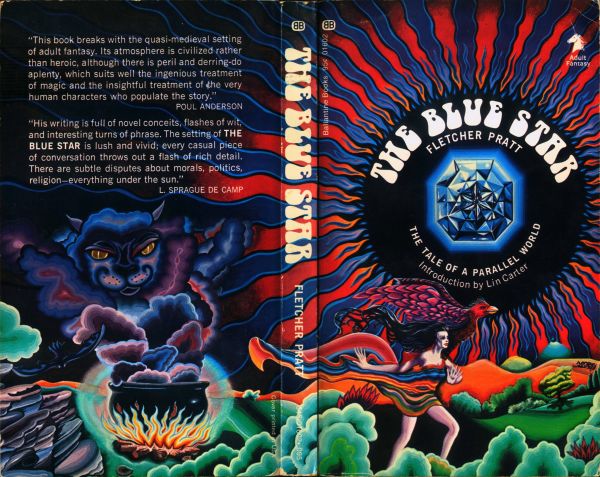
Ballantine Adult Fantasy: Reading “The Blue Star” by Fletcher Pratt
The twelfth essay in my Ballantine Adult Fantasy reading series, which looks at Fletcher Pratt’s The Blue Star (1952), an impressive, short novel of “rational” fantasy about power, gender, and why you should not cheat on your witch girlfriend.
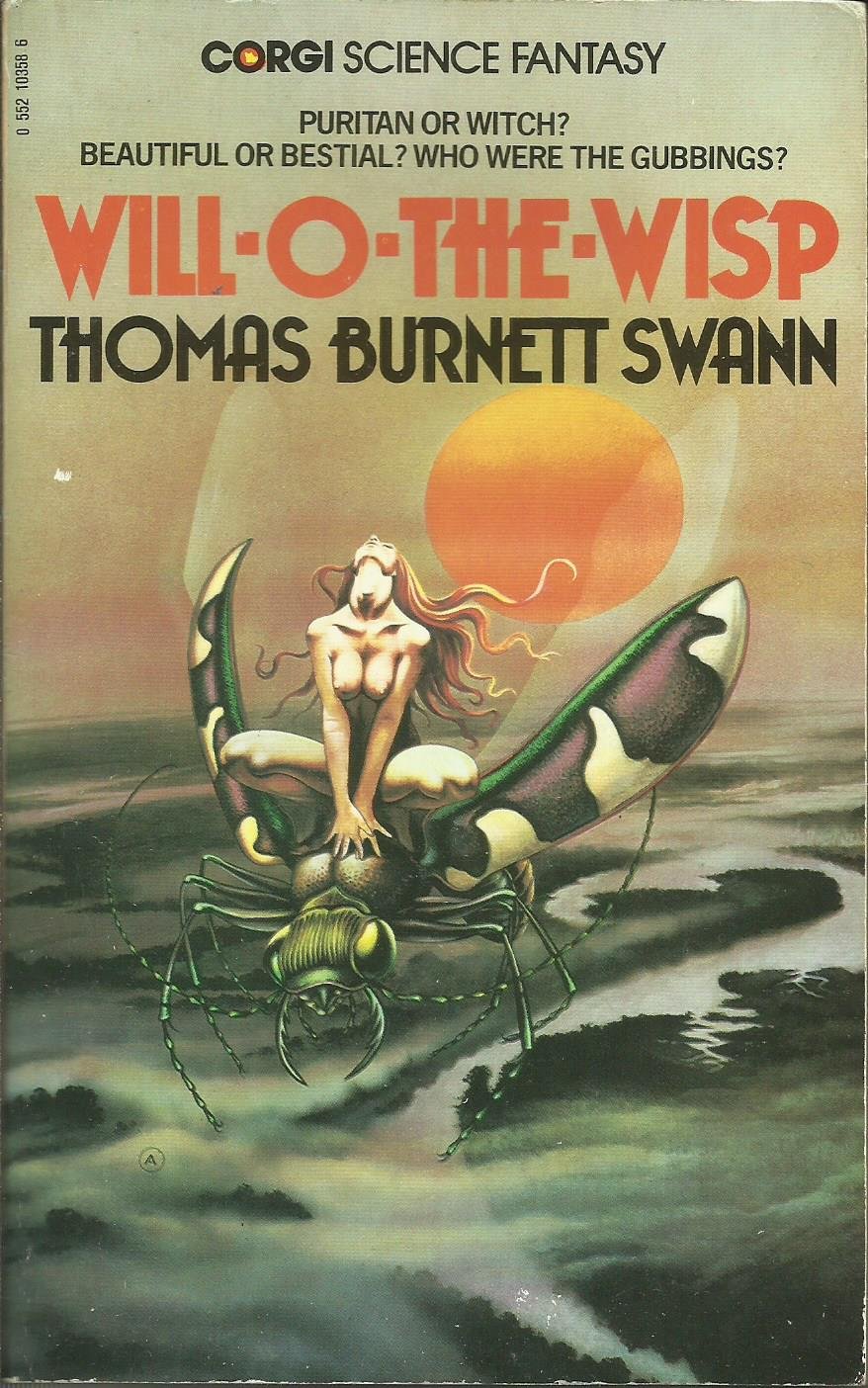
Reading “Will-O-the-Wisp” by Thomas Burnett Swann
Thomas Burnett Swann’s Will-O-the-Wisp (1976) is the author’s tenth novel and is set in seventeenth-century Devon. It is a critique of Puritan moralizing against love, sexuality, and the body, and is surprisingly good!

Genre Fantasies: 2025 in Review
A brief recap of 2025 on the Genre Fantasies blog.

Reading “The Not-World” by Thomas Burnett Swann
Thomas Burnett Swann’s The Not-World (1975) is the author’s ninth novel and is set in eighteenth-century Bristol. It’s not very good but articulates Swann’s typical themes nicely in the context of the rise of capitalist, colonialist modernity.
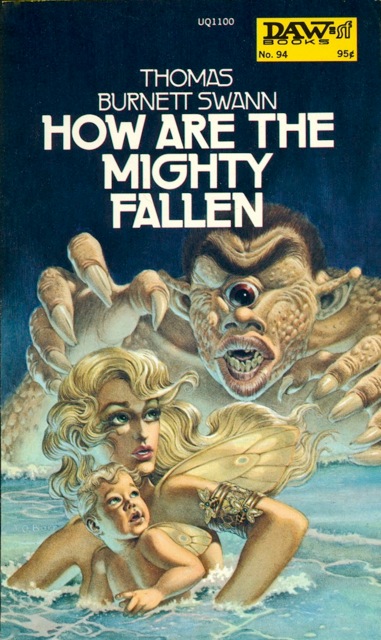
Reading “How Are the Mighty Fallen” by Thomas Burnett Swann
Thomas Burnett Swann’s How Are the Mighty Fallen (1974) is the author’s eighth novel and his most (in)famous for the “controversy” of telling a queer story about the biblical King David. Also, Goliath is a Greek Cyclops.
Something went wrong. Please refresh the page and/or try again.
To get notifications about new essays sent directly to your inbox, consider subscribing to Genre Fantasies for free:
 Genre Fantasies