Genre Fantasies is an ongoing blog on the cultural history of American fantasy, horror, and sf. My main focus is on fantasy fiction and my goal is to recover the “great unread” of the genre and tell a fuller history of how fantasy developed, matured, and thrived in the mass market paperback era of the 1960s–1990s.
In my essays, I try to offer a balance of literary critical insights, historical and cultural contexts, and my own personal response, while referring to the work of other scholars, critics, and fans whenever possible. My guiding principle is that every novel has something to tell us about the history of genre fiction and is worth giving our critical attention to. I welcome feedback, discussion, and your thoughts.
Most of my essays are published under the Reading… category and I also have ongoing series of more targeted essays: Ballantine Adult Fantasy: A Reading Series and Dungeons & Dragons: A Reading Series. Miscellany is published as Other Essays. For a full list of everything covered here, see my Index of Essays and Reviews. I also use tags to cross-list essays by author, cover artist, publisher, imprint, narrative series, publisher series, publication year, publication decade, and genre (these tags can be found at the bottom of each essay).
GENRE FANTASIES ESSAY ARCHIVE
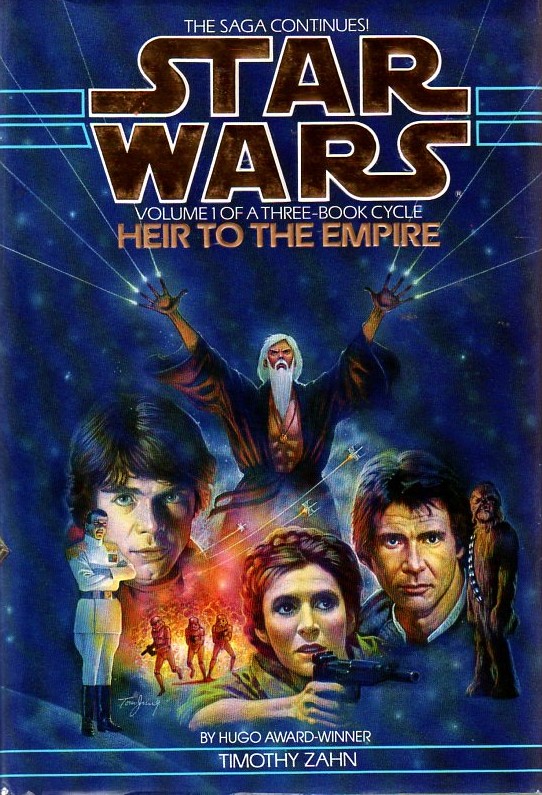
Star Wars: Reading “Heir to the Empire” by Timothy Zahn (Thrawn 1)
On Timothy Zahn’s Heir to the Empire, the first novel in his acclaimed Thrawn trilogy, which relaunched Star Wars franchise fiction after a half-decade hiatus.
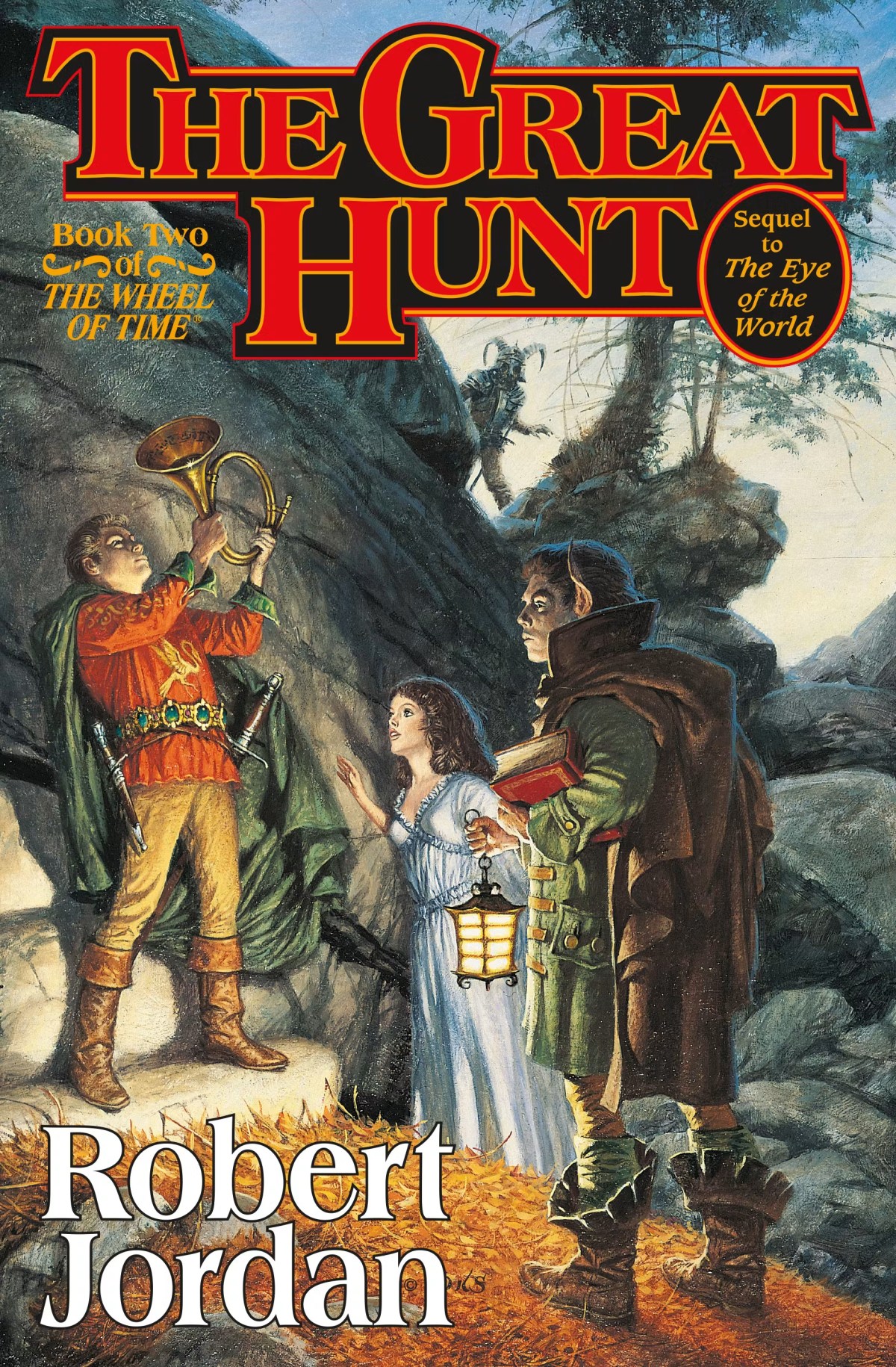
Reading “The Great Hunt” by Robert Jordan (Wheel of Time 2)
Robert Jordan’s The Great Hunt (1990), the second Wheel of Time novel, follows as Rand runs from, confronts, and accepts his identity/fate as the Dragon Reborn.
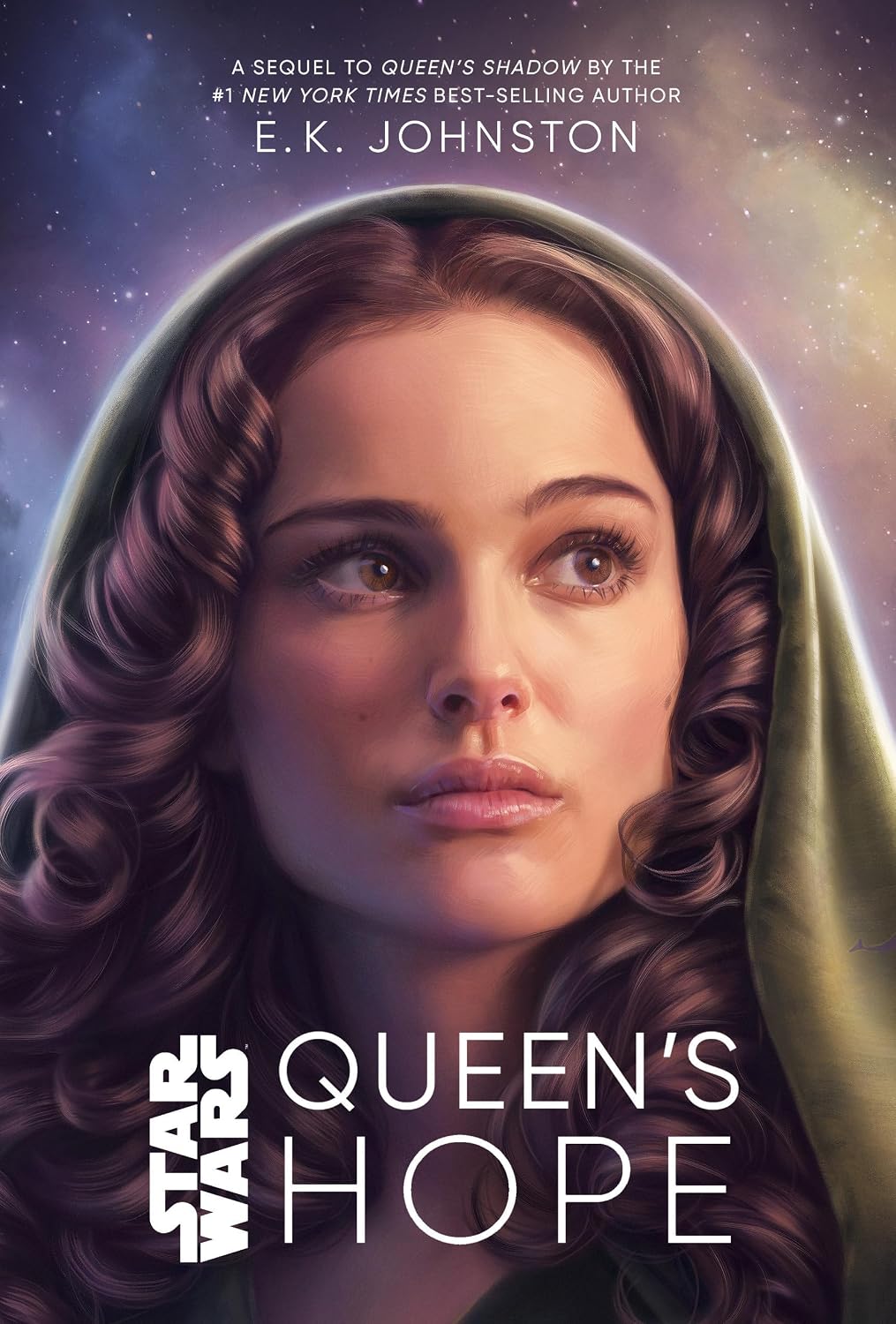
Star Wars: Reading “Queen’s Hope” by E.K. Johnston (Queen Trilogy 3)
On E.K. Johnston’s Queen’s Hope, the third and final novel in a YA trilogy that recovers the story of Padmé for a feminist-minded audience, follows the senator’s journey in the immediate aftermath of Attack of the Clones.
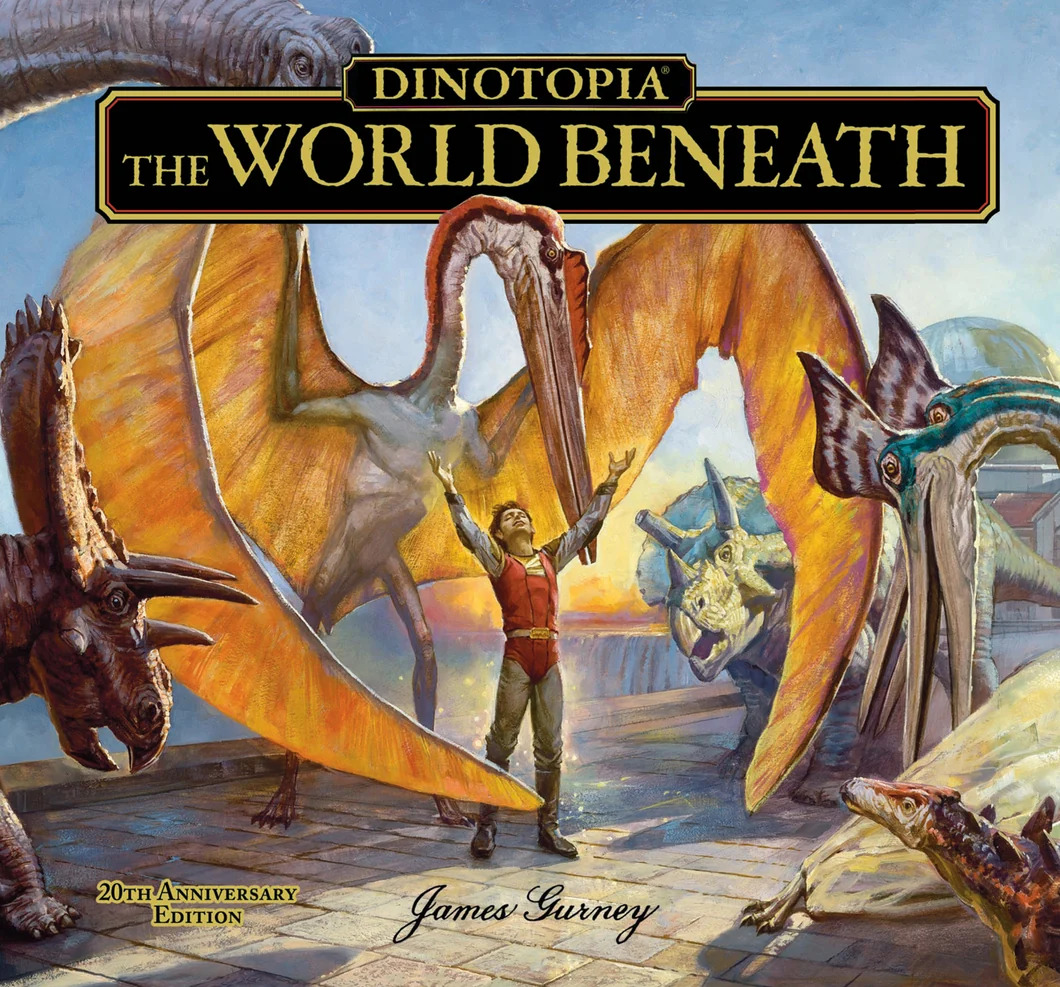
Reading “The World Beneath” by James Gurney (Dinotopia 2)
On James Gurney’s The World Beneath (1995), the second Dinotopia illustrated novel and a parable about the dangers of overreliance on technology at the expense of community.
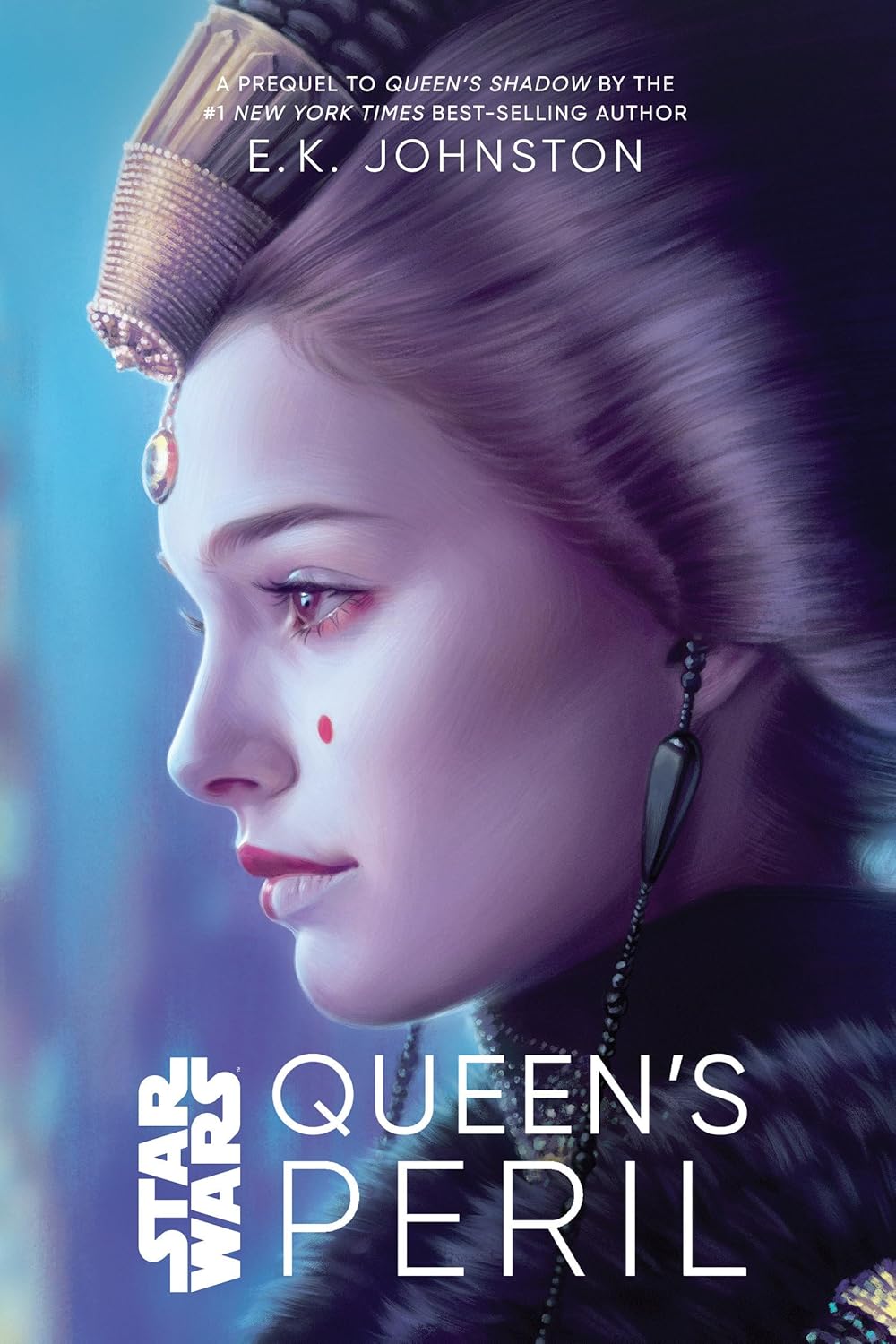
Star Wars: Reading “Queen’s Peril” by E.K. Johnston (Queen Trilogy 2)
On E.K. Johnston’s Queen’s Peril, the second novel in a YA trilogy that recovers the story of Padmé for a feminist-minded audience and retells portions of The Phantom Menace from the Queen’s perspective.
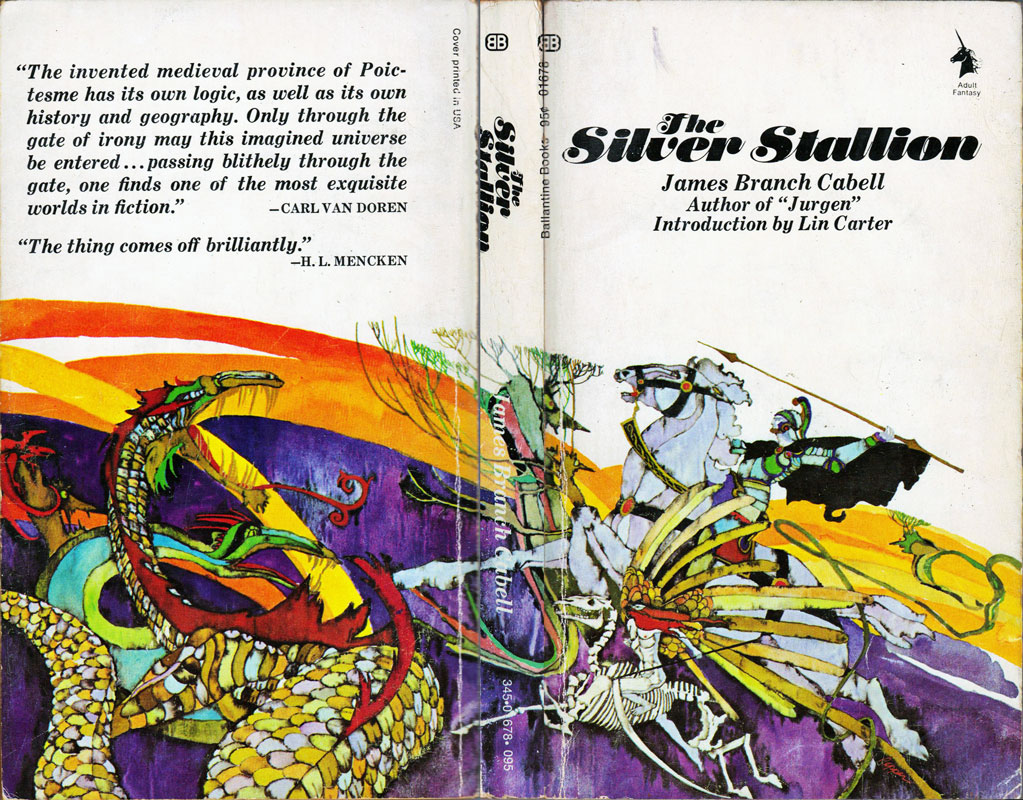
Ballantine Adult Fantasy: Reading “The Silver Stallion” by James Branch Cabell (Biography of the Life of Manuel)
The fifteenth essay in my Ballantine Adult Fantasy reading series, about James Branch Cabell’s The Silver Stallion (1926), a satirical take on the medieval romance that goes to some truly wild places and deconstructs the ideological work of how (and why) men are made into myths.
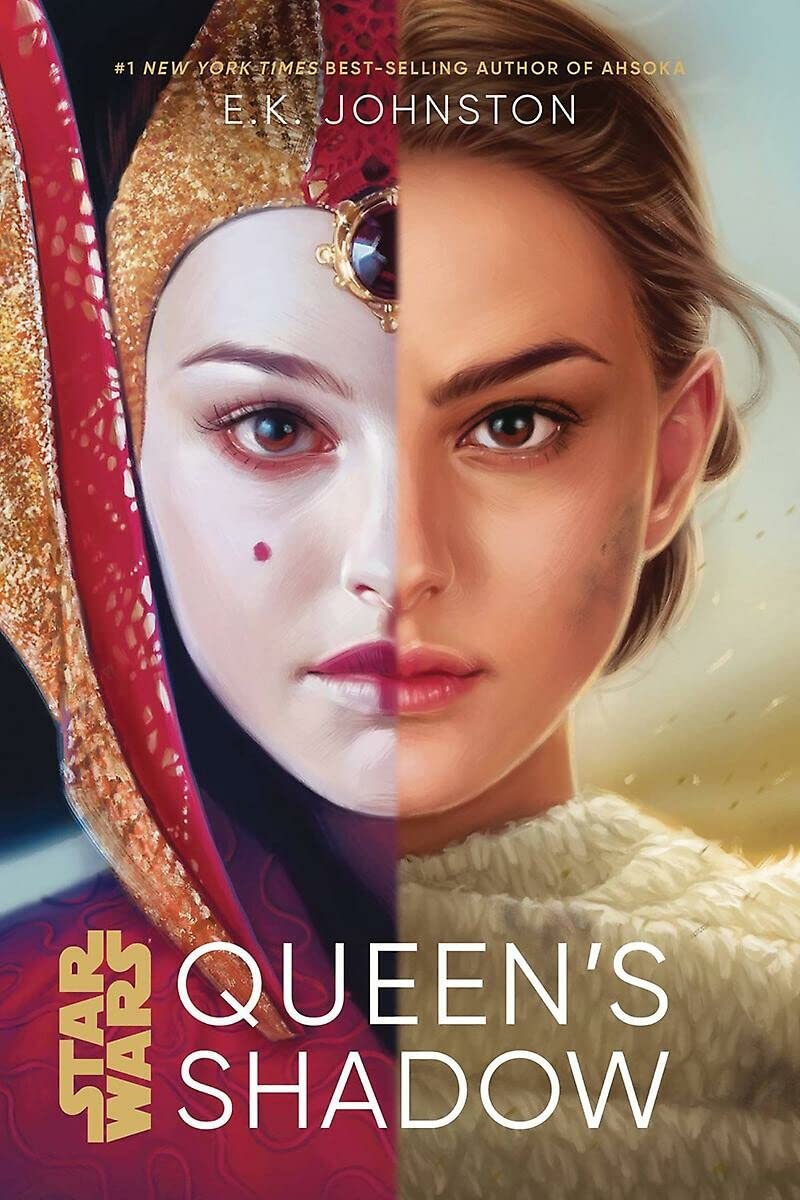
Star Wars: Reading “Queen’s Shadow” by E.K. Johnston (Queen Trilogy 1)
On E.K. Johnston’s Queen’s Shadow, the first novel in a YA trilogy that recovers the story of Padmé for a feminist-minded audience and wrestles with the state of democracy.
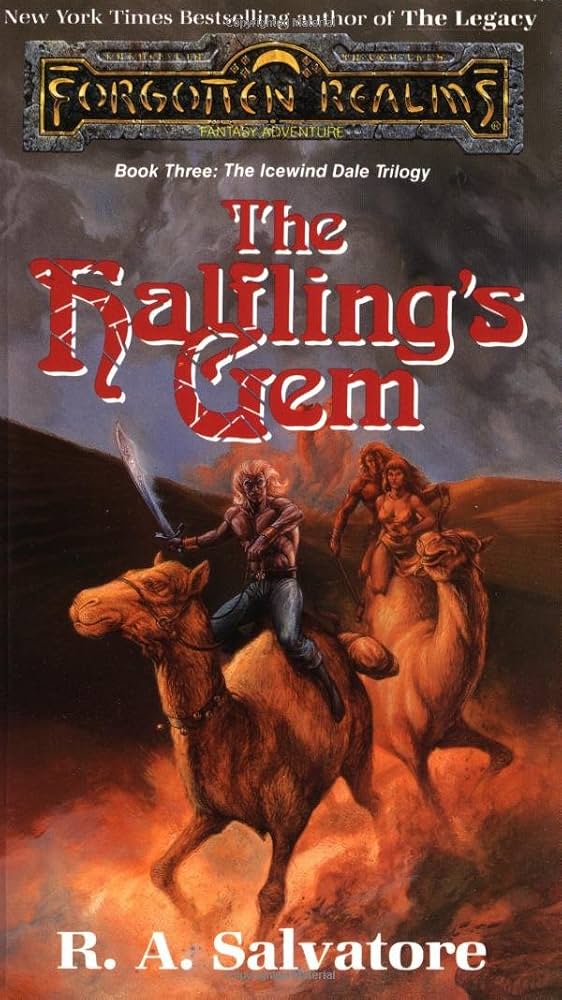
Dungeons & Dragons: Reading “The Halfling’s Gem” by R.A. Salvatore (Icewind Dale 3)
The third essay in my D&D reading series, which looks at R.A. Salvatore’s The Halfling’s Gem (1990), a novel about friendship, racial prejudice, and saving your halfling buddy from his own past.
Something went wrong. Please refresh the page and/or try again.
To get notifications about new essays sent directly to your inbox, consider subscribing to Genre Fantasies for free:

